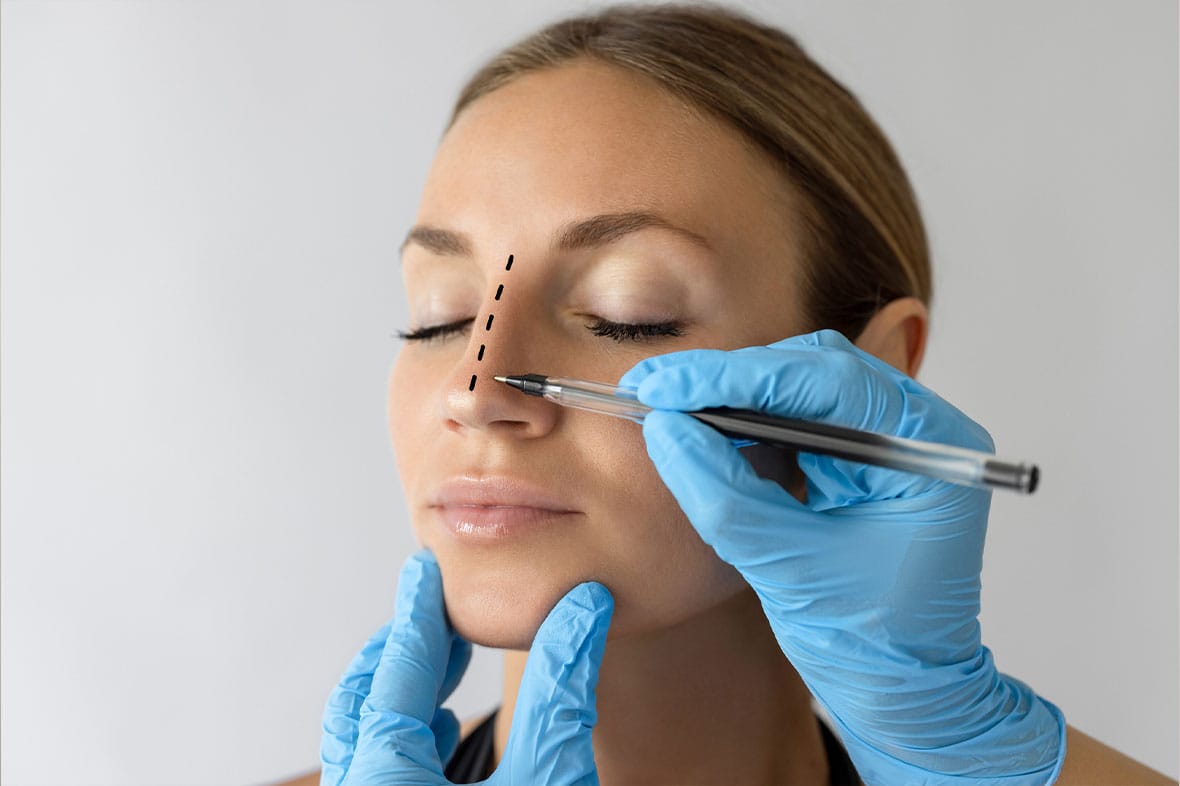
You may feel excited after rhinoplasty, expecting your nose to heal smoothly and the results to match your vision. But as time passes, you might notice concerns such as breathing difficulties, asymmetry, or changes in the shape of your nose.
Situations like these can lead some patients to consider revision rhinoplasty.
An experienced rhinoplasty specialist like Robert A. Guida, MD, in NYC, who is double board-certified in facial plastic and reconstructive surgery and otolaryngology, specializes in revision rhinoplasties to help patients achieve results that finally match their goals.
Below are eight common reasons why revision rhinoplasty may be recommended.
Unsatisfactory cosmetic results
Sometimes the aesthetic outcome of a primary rhinoplasty does not meet your expectations. You may notice issues such as asymmetry, a nose that appears overly reduced, or a shape that does not complement your facial features as intended. Even small irregularities can become more noticeable over time. Revision rhinoplasty can refine the nasal contours, restore facial balance, and address cosmetic concerns that remain after the initial procedure.
Breathing difficulties after surgery
Rhinoplasty should ideally enhance both appearance and nasal function. However, some patients experience breathing problems following their initial procedure. These issues may result from nasal valve collapse, internal obstruction, or a deviated septum that was not fully corrected during the primary procedure. Revision rhinoplasty can restore structural support inside the nose and improve airflow, helping you breathe more comfortably.
Structural changes in the nose
The nose relies on a delicate framework of bone and cartilage. If this structure becomes weakened or altered during a previous rhinoplasty, it can lead to visible deformities or functional problems. Structural complications may include a pinched nasal tip, a collapsed bridge, or a saddle nose deformity. Revision surgery may involve cartilage grafting or reconstruction techniques to rebuild support and improve both shape and stability.
Excess scar tissue formation
Scar tissue naturally develops during healing, but excessive scar tissue can distort the nasal structure. You might notice irregular contours, firmness in certain areas, or a nose that appears uneven as a result. In some cases, scar tissue can contribute to breathing difficulties. Revision rhinoplasty can remove or release scar tissue and reshape the nose to smoother contours.
Changes in the nose over time
Even after a successful rhinoplasty, the nose may continue to change as the tissues settle and heal. Cartilage may shift, and skin may contract around the nasal framework. These changes can affect the final appearance of your nose months or even years after surgery. Revision rhinoplasty can address these changes and restore the intended aesthetic outcome.
Poor healing after the first procedure
Healing varies from person to person. While many patients recover without complications, others may experience swelling, uneven healing, or visible irregularities. These can affect both the appearance and function of the nose. Revision rhinoplasty may help correct these and allow the surgeon to refine the nasal structure once healing from the initial procedure has stabilized.
Injury or trauma to the nose
Because the nose is one of the most prominent facial features, it is vulnerable to injury. A fall, accident, or sports-related trauma after rhinoplasty can disrupt the surgical results. Damage to the nasal bones or cartilage may alter the shape of the nose or affect breathing. Revision rhinoplasty can repair the damage and restore both function and appearance.
Evolving aesthetic goals
Over time, your preferences and goals for your appearance may change. Some patients decide they would like further refinement or adjustments to achieve a different aesthetic outcome. Revision rhinoplasty provides an opportunity to revisit those goals.
When to consult a specialist
Revision rhinoplasty is often more complex than primary rhinoplasty because the nasal tissues have already been altered. That’s why you must choose a highly experienced plastic surgeon.
Dr. Robert Guida, our double board-certified facial plastic surgeon with decades of experience, carefully evaluates each patient’s anatomy, concerns, and surgical history before recommending treatment. With thoughtful planning and advanced surgical techniques, revision rhinoplasty can restore your nasal function and aesthetics while creating balanced, natural-looking results. Schedule your consultation today.