
If you find yourself breathing through your mouth more often than not, waking up with a dry mouth, or feeling constantly congested on one side of your nose, you may be dealing with more than just seasonal allergies or a cold. These symptoms could point to a structural issue inside your nose that won’t go away with antihistamines or nasal sprays.
A deviated septum occurs when the thin wall between your nasal passages is off-center or crooked, making one side narrower than the other. When this deviation becomes severe enough to interfere with your breathing or overall quality of life, septoplasty, a surgical procedure that straightens the nasal septum, may be recommended.
At his Manhattan and Staten Island offices, Dr. Robert A. Guida, our double board-certified facial plastic surgeon, specializes in diagnosing and treating deviated septums. Here are five signs that may indicate you could benefit from a septoplasty.
1. You have chronic difficulty breathing through your nose
Breathing through your nose should feel effortless. If you frequently struggle to get enough air through one or both nostrils, especially while lying down or during exercise, it’s a red flag. You may find yourself unconsciously relying on mouth breathing, which can dry out your mouth and throat and lead to further discomfort.
A severely deviated septum narrows one nasal passage, restricting airflow. This imbalance becomes noticeable during physical exertion or at night. If nasal sprays and medications have done little to improve your breathing, surgery may be the most effective solution.
2. You experience frequent or unexplained nosebleeds
Occasional nosebleeds can be harmless, but if they’re happening frequently, particularly from one nostril, it might be linked to a deviated septum. When airflow is obstructed and uneven, it causes the more exposed areas of your nasal lining to dry out and become irritated, making them more prone to bleeding.
Additionally, increased turbulence in your nasal passages due to the structural imbalance can damage the delicate blood vessels within your nose. Septoplasty can help restore balanced airflow, reduce irritation, and improve overall nasal health.
3. You suffer from recurring sinus infections
Do you feel like you’re always battling sinus congestion, post-nasal drip, or pressure around your cheeks and eyes? A deviated septum can prevent proper sinus drainage, leading to frequent sinus infections or sinusitis. If you’re constantly reaching for decongestants or antibiotics, there may be an underlying anatomical issue.
By realigning the septum, septoplasty opens up the nasal passages, allowing your sinuses to drain normally. This reduces the frequency and severity of sinus infections, improving your comfort and reducing your reliance on medications.
4. You’ve been diagnosed with or suspect sleep apnea
Snoring loudly or waking up gasping for air can be a sign of sleep apnea. While several factors can contribute to this condition, a deviated septum can be a significant cause of nighttime breathing issues, especially if you’re also congested or have a narrow nasal airway.
When your nasal passages are obstructed, airflow is compromised, especially when you’re lying on your back. This can lead to chronic mouth breathing, poor sleep quality, and health risks like high blood pressure or cardiovascular issues. Septoplasty, often combined with other nose treatments, can improve your ability to breathe through your nose during sleep.
5. You have facial pain, pressure, or persistent headaches
Facial pain and pressure around the nose, eyes, or forehead can sometimes be misdiagnosed as migraines or sinus problems when the root cause is a deviated septum. The misalignment can cause strain on the surrounding nasal tissues, leading to chronic discomfort.
In some cases, the pain is caused by the nasal passages swelling in response to the asymmetrical airflow. If medications haven’t helped and the pain persists, correcting the deviation through surgery may offer lasting relief and reduce inflammation in the area.
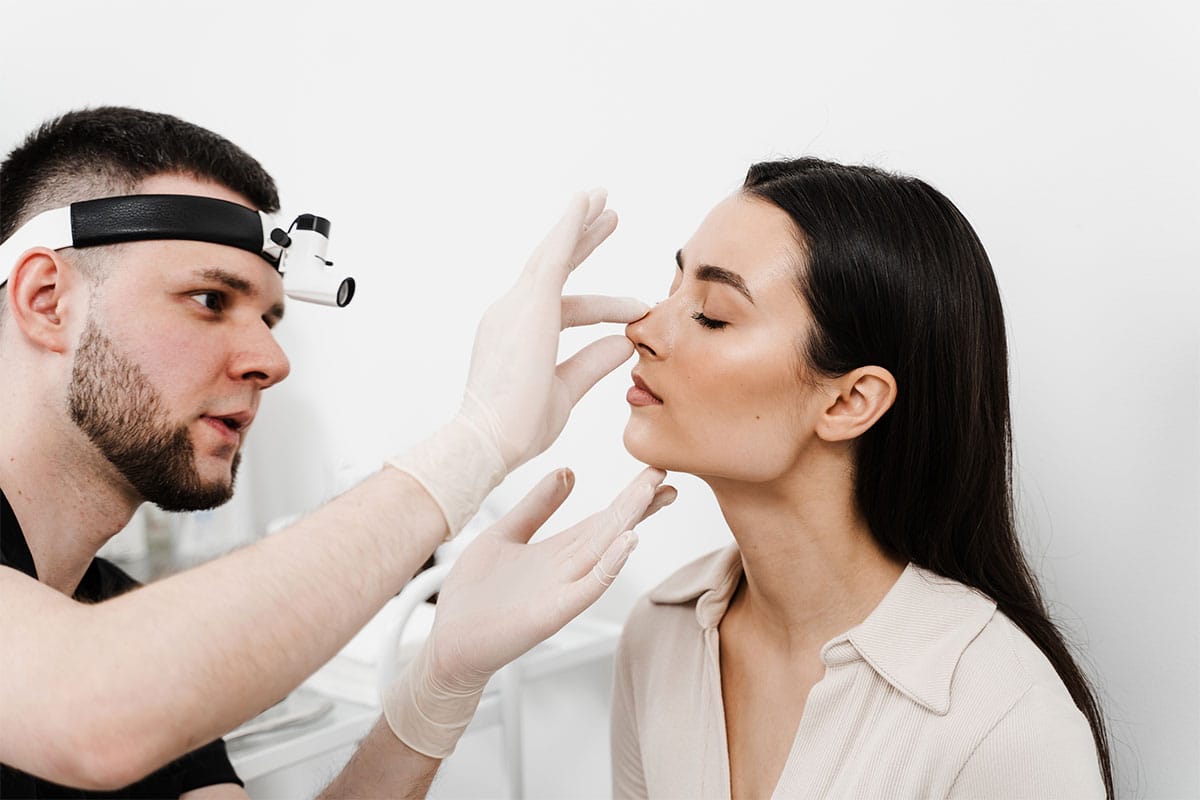
Is septoplasty right for you?
Not everyone with a deviated septum needs surgery. Many people live symptom-free. But when symptoms like chronic congestion, frequent nosebleeds, sleep disturbances, or infections begin to affect your day-to-day life, it’s worth seeking an expert opinion.
Dr. Guida offers personalized consultations and uses advanced diagnostic tools to determine the extent of deviation and if septoplasty is right for you. He often combines septoplasty with cosmetic refinements when appropriate, providing both functional and aesthetic benefits in a single surgery. Schedule your consultation with Dr. Guida in New York City to learn about septoplasty and find out if it’s the right procedure for you.