You may have felt thrilled with your facelift results years ago: your jawline looked sharper, your neck smoother, and your overall appearance refreshed. But as time has passed, you might now find yourself noticing changes you didn’t expect: loosening along the jaw, uneven contours, or areas that no longer look as natural as they once did.
Facial aging continues long after surgery, and even technically successful facelifts may eventually need refinement. Under the care of Robert A. Guida, MD, our double board-certified facial plastic and reconstructive surgeon, you can explore whether a revision procedure is appropriate for your goals. Below are five signs that a revision facelift might be right for you.
1. You’re noticing a return of facial sagging or laxity
Even the most beautifully executed facelift cannot stop the natural aging process. Over time, your skin may lose elasticity, and deeper structures, especially within the SMAS or deep plane, may begin to relax again. If you’re beginning to see jowls reappear, your jawline losing definition, or neck laxity resurfacing, these changes may indicate that your earlier facelift has simply reached the end of its lifespan.
On average, facelift results last about 10 years, though genetics, lifestyle factors, and skin quality can shorten or extend that timeline. If you had your initial facelift in your 50s, it’s not unusual to seek refinement in your 60s or 70s. A revision facelift can target areas where aging has accelerated, reinforce deeper layers for longer-lasting structure, and restore the firm, youthful contours you enjoyed after your first surgery.
2. You are unhappy with the outcome of your facelift
Not every facelift produces the results a patient hopes for. Some individuals feel their first procedure did not go far enough: perhaps the neck still feels loose, or the jawline lacks the crispness they envisioned. Others may feel the opposite, experiencing overcorrection that leads to tension, distortion, or features that look “pulled.”
If you have concerns about symmetry, visible irregularities, or contours that don’t look natural, these issues can be improved with a revision facelift. In many cases, the root cause may have been insufficient deep-plane tightening, incomplete correction of the platysma, or skin-oriented lifting that didn’t hold well over time. Dr. Guida can assess whether your concerns are related to technique, healing, or anatomy, and develop a plan that aligns better with your goals.
3. You’re experiencing contour irregularities, asymmetry, or visible scarring
Some patients consider revision facelift surgery because of issues that arise during the healing process. This may include asymmetry from uneven tension, irregular contours in the neck or jawline, or scars that widened, thickened, or healed poorly. In rare cases, you may experience specific complications, such as a pixie ear deformity or hairline distortion.
If you notice differences between the left and right sides of your face, or if your scars draw unwanted attention, a revision facelift can help restore balance and natural-looking proportion. Scar revision, careful redraping of the skin, and reinforcement of deeper tissues can improve these outcomes. With Dr. Guida’s extensive experience in aesthetic and reconstructive facial surgery, even complex concerns such as hairline irregularities can often be corrected.
4. You’ve experienced volume loss or changes caused by weight fluctuations
Your facelift may still technically be intact, but your facial shape has changed over time. Aging naturally reduces fat in key areas like the cheeks and temples, and weight changes, including weight loss resulting from lifestyle adjustments or medications, can lead to hollowing. On the other hand, weight gain can soften the jawline or create fullness beneath the chin.
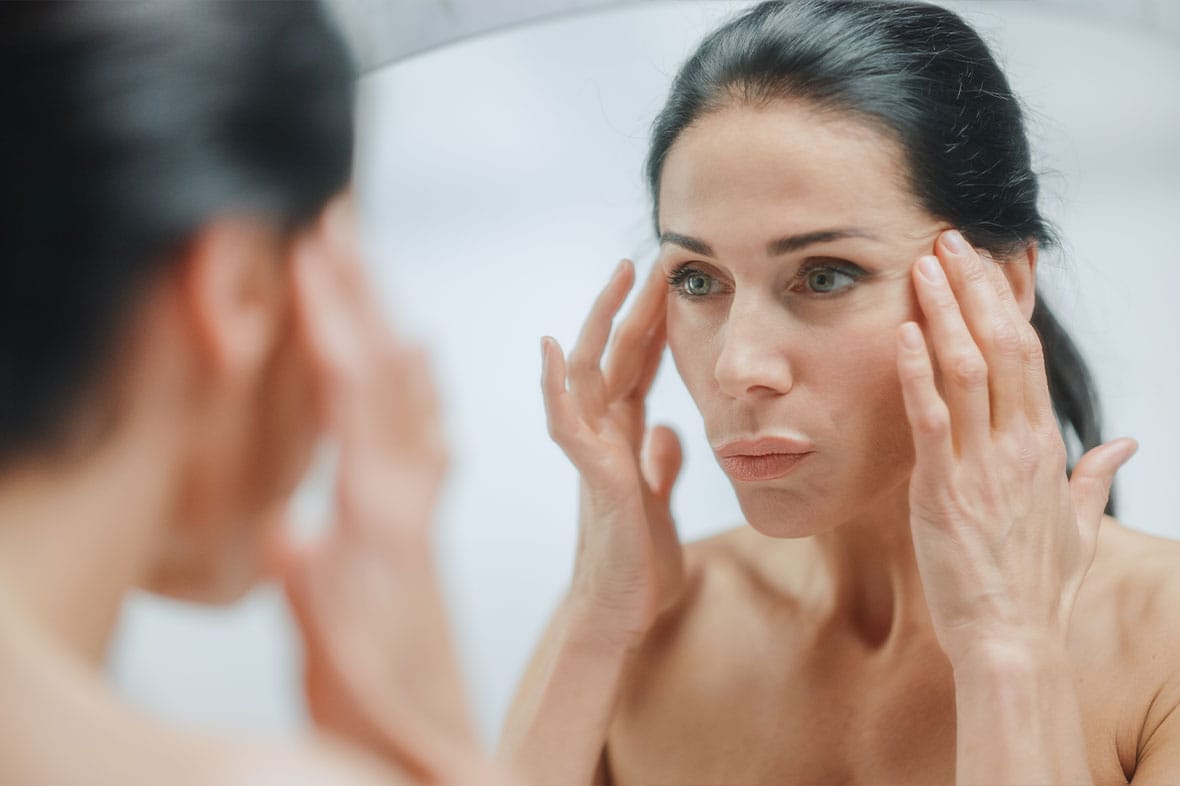
A revision facelift does more than tighten loose tissues; it can rebuild structure. Modern facelifts often integrate fat grafting, facial contouring, or selective liposuction to achieve balanced, youthful proportions. If your face looks more gaunt or heavier than it did after your initial procedure, addressing both volume and lift can create more harmonious, lasting results.
5. Your aesthetic goals have evolved since your first facelift
Your beauty preferences may have evolved since you were younger. Trends have shifted toward more natural, subtle outcomes, and you may now desire a softer neck contour, a more defined jawline, or a refreshed lower face that feels more in line with who you are today. A revision facelift can refine your original results, allowing you to update your look based on your goals.
This can be especially meaningful if you originally opted for a more conservative approach or, conversely, feel your first facelift appears too tight or stylized. With experience grounded in both cosmetic artistry and facial anatomy, Dr. Guida can create a tailored strategy that respects your natural features while enhancing the areas that matter most to you.
Whether you’re noticing changes due to aging, feeling dissatisfied with previous results, or experiencing concerns such as asymmetry, scarring, or volume change, a revision facelift can help restore harmony in your appearance.
With Dr. Guida’s dual board certification and decades of experience in facial plastic and reconstructive surgery, you can receive an expert evaluation and a personalized plan to achieve natural improvements. If you believe a revision facelift may be right for you, schedule a consultation in NYC to explore your options and work toward feeling like yourself again.